
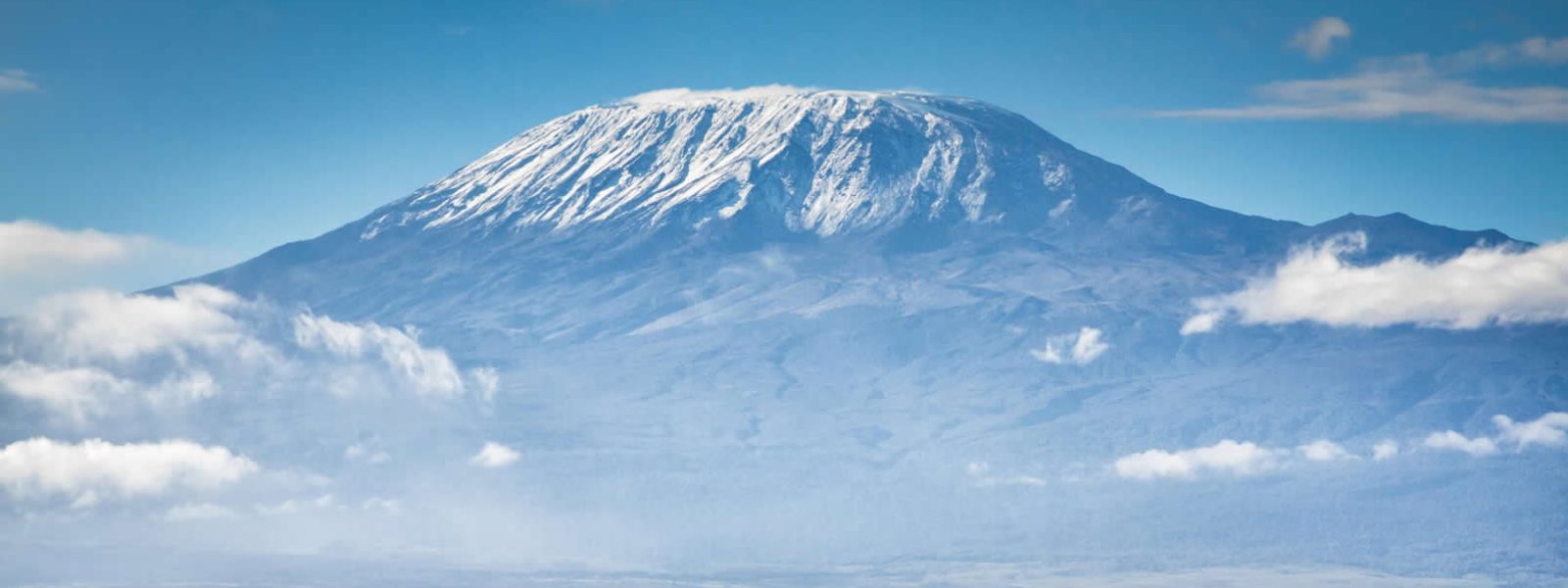
Climbing Mount Kilimanjaro—the highest peak in Africa and one of the world’s most iconic trekking mountains—offers a thrilling but demanding adventure. Although the mountain does not require technical climbing skills, it presents a wide range of physical, mental, and environmental challenges that trekkers must prepare for. Understanding these obstacles in advance helps improve safety, comfort, and your chances of reaching Uhuru Peak.
- High altitude and the risk of altitude sickness
Kilimanjaro rises to 5,895 meters (19,341 ft), making altitude the single biggest obstacle. The ascent takes you rapidly from rainforest to arctic conditions, thus making the oxygen levels drop by almost 50% and giving the body limited time to adjust.
Among the common altitude-related challenges are headache, nausea, dizziness, fatigue, and breathlessness, which are caused by the reduced oxygen levels.
How to avoid altitude sickness
- Taking the longest route possible (Lemosho, Northern Circuit, Machame) for better acclimatization.
- Walking “pole pole” (slowly) and listening to your body
- Staying well hydrated
- Using preventive medication like acetazolamide (if recommended by a doctor)
- Extreme weather and rapid climate changes
Kilimanjaro encompasses five ecological zones, ranging from tropical rainforests to the arctic summit, each with its own weather patterns like rain, snow, freezing winds, and sometimes strong sun.
Note: Trekkers must be prepared to face everything from heat to snow within a few days.
- Physical and endurance challenges
Although Kilimanjaro is considered a “walk-up” mountain, it requires significant stamina and resilience. In that case, we recommend doing some exercises to keep your body fit for the summit. Among these are cardiovascular and leg exercises, as well as long days of hiking in preparation for the experience.
- Lack of sleep
During the Kilimanjaro hike, it will be best for you to get as much sleep as you can to avoid developing the worst effects of altitude sickness, which can also harm your brain. To ensure that you have enough time to obtain a good night’s sleep, please select a route that offers lots of huts and many breaks along the way.
Note: Determination, a positive mindset, and strong support from guides and porters are crucial for success.
- Cold Nights and harsh summit conditions
As you climb higher, temperatures drop dramatically. Night temperatures can fall below -10°C to -20°C higher up, and the wind chill increases warmth loss
Note: Proper layering—thermal base layers, insulated jackets, quality gloves—becomes essential.
- Dehydration and nutritional challenges
The dry mountain air, combined with high altitude, can dehydrate trekkers quickly. So, it will be your obligation to continuously hydrate yourself by consuming more water than you need to. Take a hydration pack with you so you can continue to consume the fluids you need to stay hydrated as you near the summit.
Note: Keeping hydrated and eating well—even when appetite decreases—is key to maintaining strength.
- Technical Sections and Terrain Challenges
While not a technical climb, some parts of the route require careful movement. Among the notable terrain obstacles include Barranco wall which known for its steepness, loose scree near the summit, which requires slow progress, and the rocky paths in the moorland zone.
Note: Good hiking boots and trekking poles are essential.
- Limited facilities as altitude increases
As you continue with the hike to higher points, comfort decreases due to severe coldness, basic toilets at higher camps, no showers, limited privacy, plus the dusty and windy campsites.
Trekkers must be prepared for rustic conditions throughout the expedition.
- The demands of the summit night
Summit night is widely considered the toughest part of the entire climb. It involves starting at the hike at midnight in freezing temperatures, hiking 6 – 8 hours in darkness before reaching Stella point, plus experiencing fatigue due to lack of slee
Note: Reaching Uhuru Peak at sunrise, however, is a rewarding moment that makes the challenge worthwhile.
Conclusion
Climbing Mount Kilimanjaro is a remarkable achievement, but it demands physical preparation, mental resilience, proper acclimatization, and appropriate gear. By understanding the challenges ahead—from altitude to extreme weather—climbers can prepare well and significantly increase their chances of a successful and enjoyable summit.